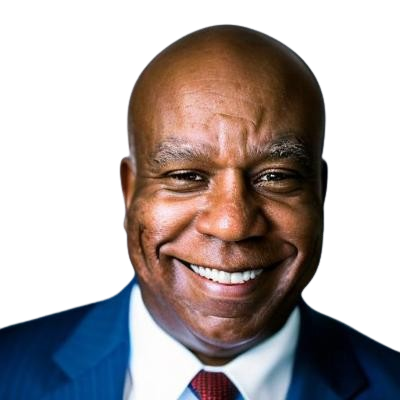
Edwin Mays discusses sequence of returns risk
Listen to the interview on the Business Innovators Radio Network: https://businessinnovatorsradio.com/interview-with-edwin-mays-with-maysgroup-advisors-discussing-sequence-of-returns-risk/
Using relatable analogies, Edwin compared navigating retirement finances to walking across a frozen lake, emphasizing how one wrong step—like a market downturn—can jeopardize years of careful planning. Explored the math behind this risk, illustrating how two investors with the same average returns can end up with drastically different outcomes based on the timing of their withdrawals.
Edwin highlighted the importance of planning for retirement at least ten years in advance to mitigate this risk, as bear markets can occur multiple times before retirement. Also discussed the common misconceptions surrounding average returns and the dangers of assuming that the market will always recover.
Retirement planning is a multifaceted endeavor that requires careful consideration of various financial factors. Among these, the concept of “sequence of returns” emerges as a critical yet often overlooked risk that can significantly impact an individual’s retirement savings. Understanding this phenomenon is essential for retirees and pre-retirees alike, as it can determine the longevity of their financial resources in the face of market volatility.
At its core, sequence of returns risk refers to the potential for negative investment returns at the beginning of a retirement period to adversely affect the overall sustainability of a retirement portfolio. This risk is particularly pronounced for retirees who are withdrawing funds from their investment accounts to cover living expenses. When market downturns occur early in retirement, the consequences can be devastating. The retiree faces a double whammy: not only does the value of their investments decline due to market losses, but they are also forced to withdraw funds from a diminished account balance. This combination can lead to a rapid depletion of savings, often referred to as the “silent killer” of retirement plans.
To illustrate the gravity of this risk, consider the analogy of walking across a frozen lake. A retiree, well-prepared with a solid financial plan, represents an individual equipped with a warm coat and sturdy boots. However, if market conditions are unfavorable—akin to thin ice—the retiree risks falling through if they encounter a sudden downturn. For instance, during the early 2000s, the stock market experienced a significant decline of nearly 50%. For individuals withdrawing funds during this period, the compounded effect of market losses and withdrawals could have disastrous consequences, potentially forcing them to delay retirement or alter their lifestyle drastically.
One of the most perplexing aspects of sequence of returns risk is that it can occur even when two investors achieve the same average return over time. The timing of those returns plays a crucial role in determining the overall impact on a retirement portfolio. Imagine two hikers ascending a mountain, where one begins their journey on a sunny day while the other starts in a storm. Both may reach the summit eventually, but the one facing adverse conditions early on will expend more energy and resources, potentially jeopardizing their chances of success. Similarly, retirees who experience market downturns early in retirement may find their financial resources depleted long before they reach their retirement goals.
A common misconception among investors is the belief that achieving an average return of 7% equates to actually receiving a consistent 7% return on their investments. This misunderstanding can lead to unrealistic expectations about the sustainability of retirement savings. The reality is that the sequence of returns matters significantly; retirees withdrawing funds during a market downturn will find their portfolios diminished at a faster rate than those who experience gains early on.
In conclusion, the sequence of returns is a critical factor that can profoundly impact retirement savings. Understanding the implications of this risk can empower individuals to make informed decisions about their retirement planning. By recognizing the potential dangers posed by early market downturns and the importance of timing, retirees can develop strategies to mitigate this risk, such as diversifying their investment portfolios, maintaining a cash reserve for withdrawals during downturns, or adjusting their withdrawal strategies based on market conditions. Ultimately, being proactive about sequence of returns risk can help ensure a more secure and sustainable retirement.
Edwin shared: “Well, sequence of returns risk is, as I said, it’s a silent killer of retirement plans because the few market losses early on in retirement can drain your savings years too soon.”
About Edwin Mays
Edwin Mays is a Chartered Retirement Planning Counselor-CRPC – MaysGroup Advisors is an independent financial services firm, specializing in helping individuals and families prepare for, plan, and live in retirement. Their approach focuses on tailored retirement planning strategies and insurance solutions to provide our clients with guaranteed lifetime income, asset protection, and achieve tax efficiencies in support of a holistic approach to their finances.
With over 30 years in the financial services industry—including leadership roles at firms like Thomson Reuters, Merrill Lynch, Smith Barney, and Transamerica—Edwin Mays brings deep institutional experience and unmatched insight to every client engagement. As a Chartered Retirement Planning Counselor (CRPC), Edwin specializes in designing retirement strategies that guarantee lifetime cash flow and protect against the most serious threats retirees face today: market risk, longevity, and rising costs.
At MaysGroup Advisors, Edwin’s mission is simple: replace uncertainty with strategy and give clients the confidence to retire on their terms—with income they can count on, no matter what the market does.
Learn more: https://maysgroupadvisors.com/